The presence of a battery warning light on the dashboard is never a good sign, but what does this light indicate, and how can you detect some of the most frequent issues that might arise in your vehicle's electrical system?
To begin, it is essential to be aware that the red battery light delivers warnings about the entirety of the electrical system and that this will almost invariably indicate that the issue is either with your battery or your alternator.
Catalog
| Symptoms of Battery Problem |
| Symptoms of Alternator Problem |
| Signs of a Bad Battery vs. Alternator |
| How can I avoid problems with my battery or alternator? in the first place? |
| Conclusion |
Symptoms of Battery Problem
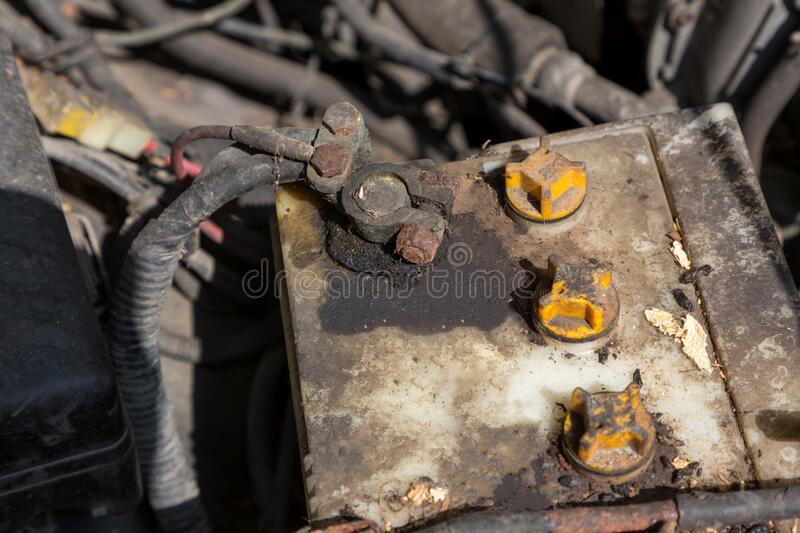
Figure 1. Symptoms of Battery Problem
Because the battery's primary purpose is to kickstart the vehicle, the inability to kickstart the car is the most telling sign that the battery is not functioning correctly. If you try turning the key or pressing the start button on your vehicle and nothing occurs, it's a safe bet that the battery has died.
If you listen to a clicking sound, but the engine will not turn over, the battery has very little life left. Another indication of a failing battery is a slow cranking speed while the engine is being turned over to start the vehicle.
The freezing temperatures in northern locales cause the engine components to become rigid, which in turn causes the battery voltage to decrease, which in turn causes very sluggish cranking. That issue may be alleviated somewhat with a block warmer or an oil pan heater.
Symptoms of Alternator Problem
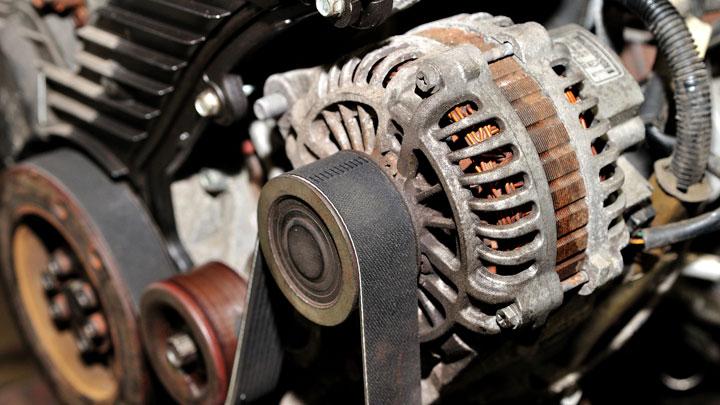
Figure 2. Symptoms of Alternator Problem
You should be on the guardian for a few early warning signs if you are concerned that your alternator is beginning to fail.
If the headlights or interior lights in your vehicle are dim, or if the brightness of the lights dims and then brightens depending on how quickly you are driving, this might indicate that the alternator in your vehicle is malfunctioning.
This suggests that the alternator is producing a voltage that is not constant. Another indication that the alternator needs to be inspected is if the car's other electrical components begin to behave unusually, such as turning off without warning or not performing as effectively as they should.
You should attempt to jump-start your vehicle if it doesn't turn over because the battery is dead. Because the alternator is the power supplied to the engine ignition, it might indicate that your alternator needs to perform correctly if it starts but dies again after a short period.
Signs of a Bad Battery vs. Alternator
Warning Signs for a Bad Battery in Your Car
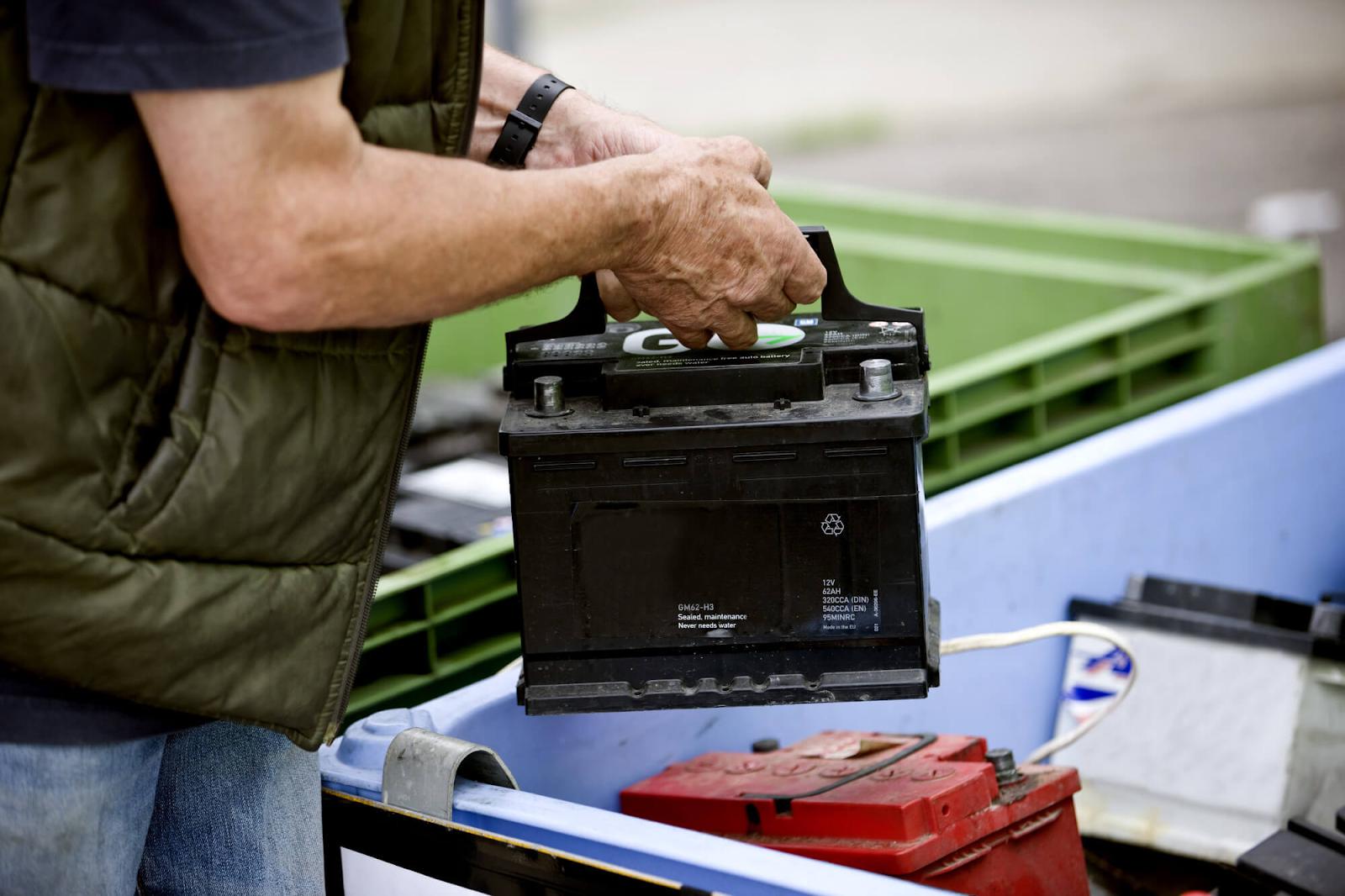
Figure 3. Warning Signs for a Bad Battery in Your Car
- The age of the battery
The moderate lifespan of a motor car battery is between three and five years. Your battery's capacity to retain a charge can substantially deteriorate if you continue to use it. You will find it increasingly difficult to start your vehicle when this occurs.
Whether you have a problem creating your automobile in the future, you should check to see if the battery is more than five years old. It may be time for a replacement.
- A Stench Similar to that of Rotting Eggs
When you detect an unusual scent, particularly the stench of rotten eggs, this is one of the more evident symptoms that your vehicle's battery needs to be replaced.
Sulfurous fumes are the source of the odor produced by a lead-acid battery leaking. Never use a leaking battery; replace it as soon as possible. There are several potential causes of battery leaking, including the following:
- Harm to the animal's body
- Inflating the prices
- The chilly weather
- The Engine Still Needs to Turn Over Entirely
When your engine turns over very slowly, this is another indication that your battery is failing. This might indicate that your car's battery needs more voltage to start the vehicle. Your battery can be quickly fixed by either being charged or being jump-started.
- May Be Remedied Using Jump-Starting
How do you identify if the problem is with the battery or the alternator? If you could successfully jump-start your dead battery, and your vehicle's engine started turning over again, the issue was most likely with the storm. Without this, you will need more than creating your battery by jumping to get your vehicle started.
- Dimming lights
A weak battery may cause the lights in your vehicle to become less bright because the voltage produced by the storm is insufficient to power all the electrical components in the car. A dull light can identify a poor battery. It indicates that the battery is dead if it does not illuminate.
- Corrosion of the Battery
Examine the battery's terminals for signs of corrosion if you are having trouble starting your vehicle. Deterioration at the battery terminal hinders the battery from obtaining an adequate charge, leading to the battery's depletion over time.
- Battery Shell that has been Warped
When a battery seems swollen or deformed in any manner, this is another red flag that it is failing to perform correctly.
A bloated battery might result from overcharging it or experiencing exceptionally cold conditions. If your battery is expanding out of its casing, you should immediately call for assistance from a roadside assistance service.
Warning Signs That Your Alternator Is Bad
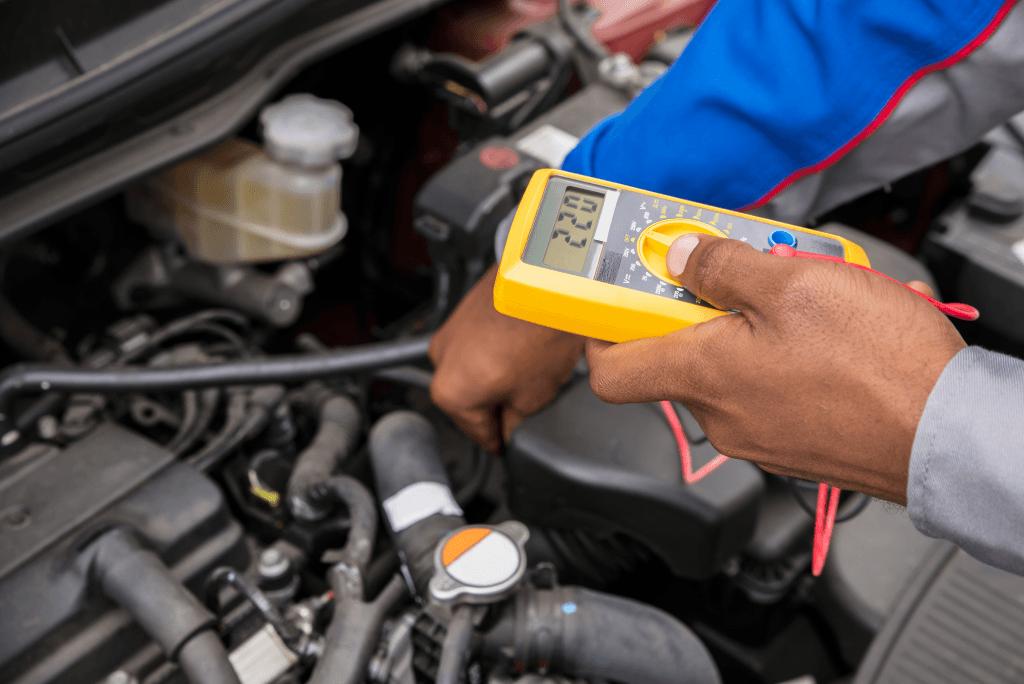
Figure 4. Warning Signs That Your Alternator Is Bad
- The Engine Stops Working
It is expected for a car to be unable to start when the alternator has failed. A malfunctioning alternator can only operate occasionally, and it certainly won't be able to charge your battery continuously.
As a consequence, you may notice that your engine stalls sometimes because the battery does not have sufficient power to power the fuel injectors so that they can do their function.
- Burning Scent
If there is a smell of burning coming from the alternator belt, this might indicate that the belt is starting to wear down from continual stress and friction. It is also possible that your alternator has been overworked and some of its wires have become damaged.
- Sounds that are Not Normal
Alternators that must be fixed will often make a loud screeching or snarling sound. The noises might be caused by an alternator belt that is either improperly positioned or too worn. If this belt wears down, the alternator cannot be turned quickly enough to provide electricity.
- Electrical problems
Because your alternator is responsible for generating the majority of the power in your vehicle, its failure or damage can cause a wide range of electrical problems.
This includes power windows, power locks, audio, dashboard lighting, and air conditioning that need to be more active or work properly.
- Lighting that is Either Too Dim or Too Bright
How can I identify if the problem with the electrical system is coming from the battery or the alternator? The abnormalities of an electrical surge are caused by a malfunctioning alternator, which results in the brightness of the lights varying from dull to brilliant. However, a car battery in good condition will need more power to provide intense light.
- The Warning Light on the Dashboard is Illuminated
If you notice that the battery icon on your dashboard is lit up, this may indicate a problem with your vehicle's charging system. If all of your accessories, including your lights, are operating normally, you may be certain that the problem lies with your alternator.
- The Battery has Dead
It could be challenging to understand why a dead battery would be considered a symptom of a malfunctioning alternator. But if you just got a new battery and it suddenly dies, it might indicate that the alternator is not charging it, even when the engine is running.
How can I avoid problems with my battery or alternator in the first place?
You run the risk of completely depleting your battery and damaging its capacity to recharge if your driving routine consists of rare short journeys and several days during which you do not drive.
Either you should make it a point to drive the car for more extended time on the highway at least once a week, or you should install a trickle charger to maintain a full battery.
In addition, use a wire brush regularly to clean the connections and terminals of your battery, and then apply some dielectric grease to the contact points. The electrical connection may be strengthened with dielectric grease, which prevents the surface from rusting.
Conclusion
If you want easy driving, you must ensure that your vehicle's battery and the alternator are working correctly. If any of these two components is malfunctioning, you may expect to have several troubles starting your truck as well as electrical problems.
Alternators can cause harm to batteries, but a faulty battery won't hurt the alternator if it's the other way around. Because a car battery is not designed to supply electrical energy over a lengthy period, both components must work properly.